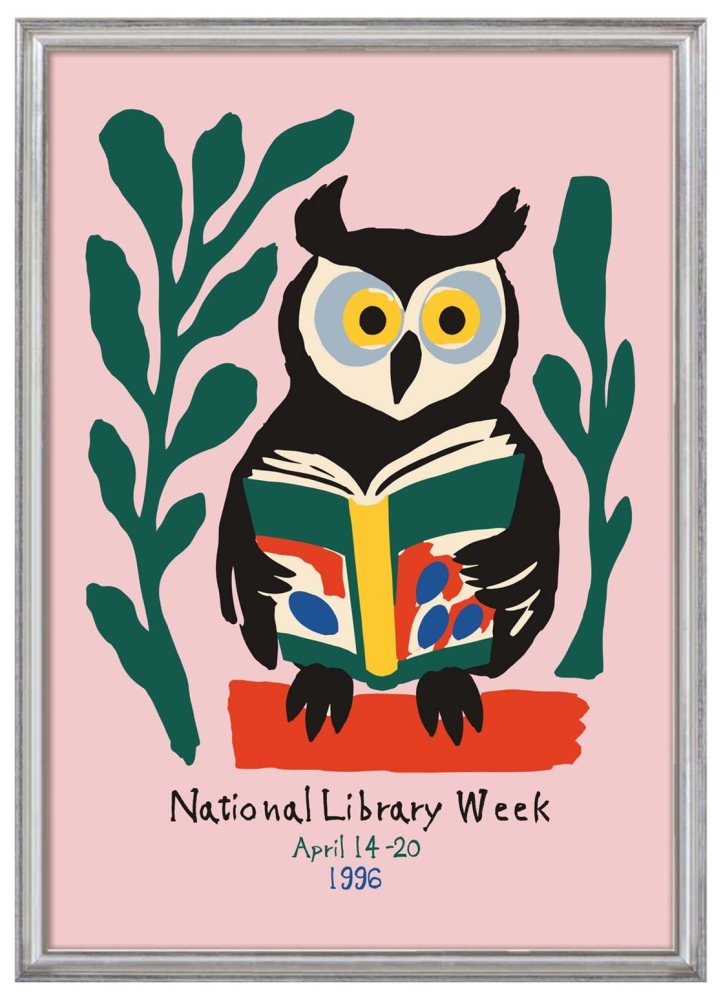
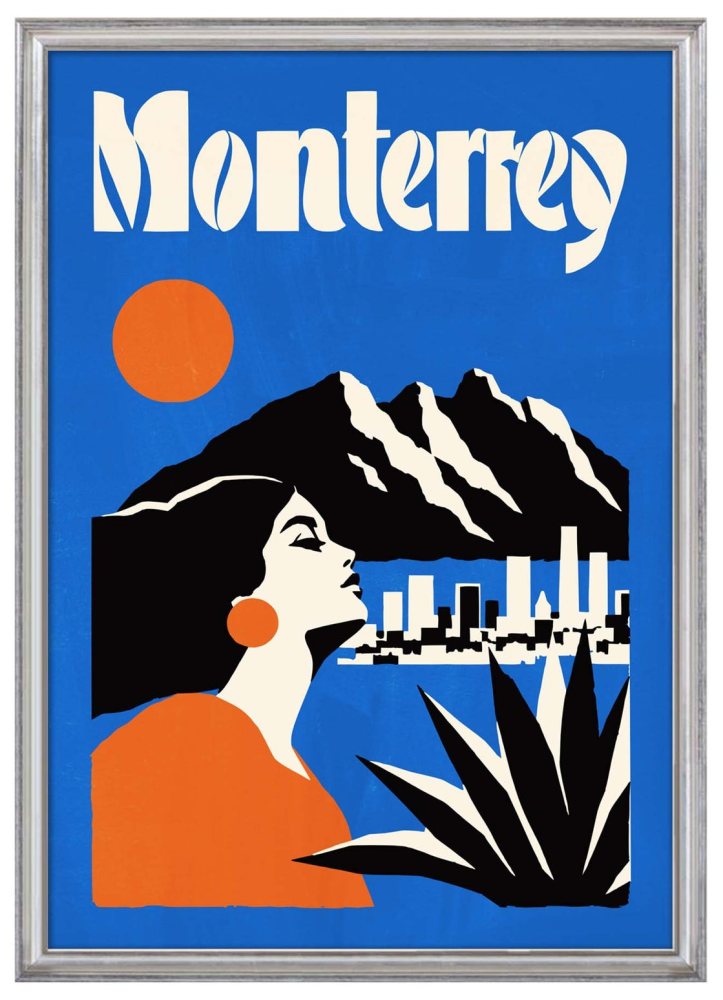
An art print from an atelier and a poster from a poster shop can show the same image at the same size. One can still cost many times the other, and the difference sits in four places: how many copies exist, what they are printed on, who checked them, and what paperwork comes with them. Most product pages answer all four.
Open edition or limited edition
An open edition has no fixed number. The studio prints copies for as long as people buy them. That says nothing about the paper or the printing. It means the print has decorative value and little resale value.
A limited edition has a number that is fixed before printing starts. Each copy carries its place in the run, written as a fraction in the bottom margin: 12/50 is the twelfth of fifty. It is usually signed in pencil by the artist next to that number. Pencil sits on the paper, so it cannot be part of the printed image. A signature that looks printed is a reproduction of a signature.
Read the edition terms closely. Some studios run a separate edition for each size, so “limited to 50” may mean fifty at each of three sizes. Artist’s proofs, marked AP, sit outside the numbered run; there should be only a few of them, and the page should say how many. If the edition size is not stated at all, treat the print as an open edition.
Giclée and what it does not promise
Giclée is the name the art world uses for fine inkjet printing: a large-format printer, pigment inks rather than dye inks, and archival paper. Pigment inks generally resist fading far longer than the dye inks in most home printers. The word itself has no legal definition, though, so a shop can call any inkjet print giclée. What it promises comes from the details next to it: the ink type, the paper name and the printer the studio uses.
Paper and its weight
Paper weight is given in grams per square metre (gsm). A standard poster is often printed on paper of around 170 to 200 gsm. Fine art papers are commonly around 300 gsm and feel closer to thin card. Weight is not the whole story. Look for these on the page:
- The fibre: cotton rag lasts longest and has a soft, slightly textured surface; alpha-cellulose is a cheaper archival alternative.
- Acid-free: without it, paper yellows and turns brittle over the years.
- The surface: matte suits drawings and paintings, while a baryta or lustre paper gives photographs deeper blacks. The guide to photo paper types explains the families.
- The margin: a white border around the image lets the print sit in a mat and keeps the signature visible.
Why the certificate matters
A certificate of authenticity is a document that names the work, the artist, the edition and the number of your copy, and usually the paper and the printer. On its own it proves little, because anyone can print one. Its value is that it ties your copy to a record the studio or artist keeps. If you sell the print later, a buyer or a dealer will ask for it, and a numbered print without its certificate is harder to sell and sells for less.
Check before you buy whether the certificate is signed, whether it carries the same number as the print, and whether the studio says it keeps a register of the edition.
How an atelier differs from a poster shop
A poster shop prints a file to fit standard frames, in whatever quantity sells, usually on one or two house papers. An atelier works with the artist on a smaller run: proofs are compared against the original, the paper is chosen for the work, and the artist usually signs the finished copies. You pay for that checking and for the scarcity. For a picture you simply like, a well-printed poster is often the better buy. For something you might keep for decades or sell, the edition and the paperwork are what you are paying for.
A wall with glare
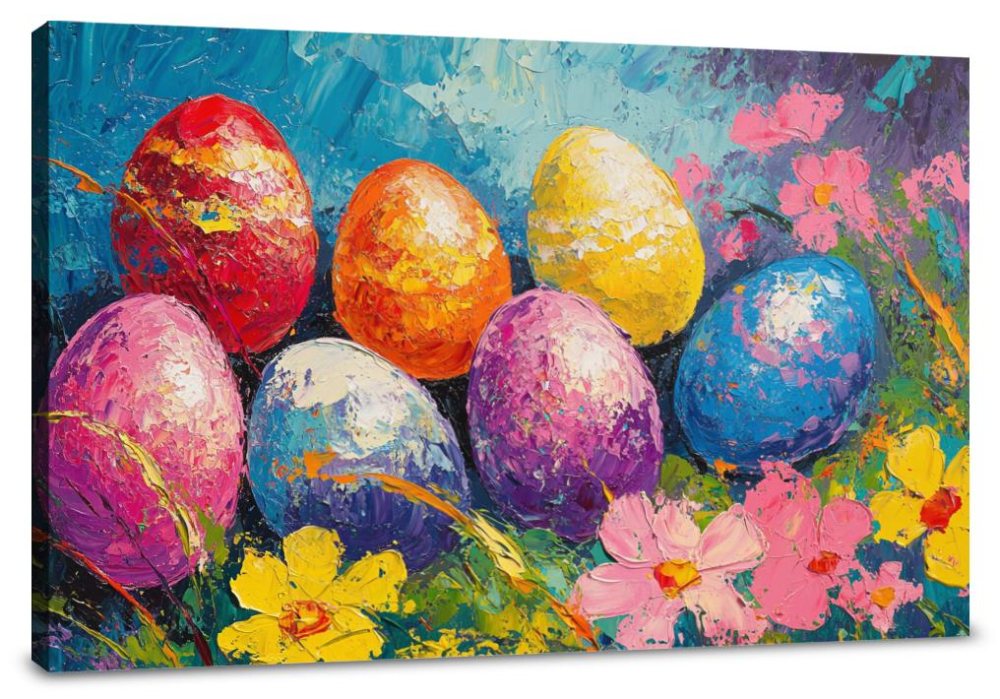
Works on paper go behind glass, and glass reflects. On a wall that faces a window, a paper print can be hard to see for half the day unless you pay for anti-reflective glass. There a canvas is the practical choice. It has no glass. Bestecanvas prints your own image on stretched canvas; check the bar thickness and the canvas fibre on its page. The trade-offs are set out in canvas or framed print. Whichever you choose, keep a paper print out of direct sun, and hang it at eye height using the measurements in how high to hang a picture.